
This episode is about:
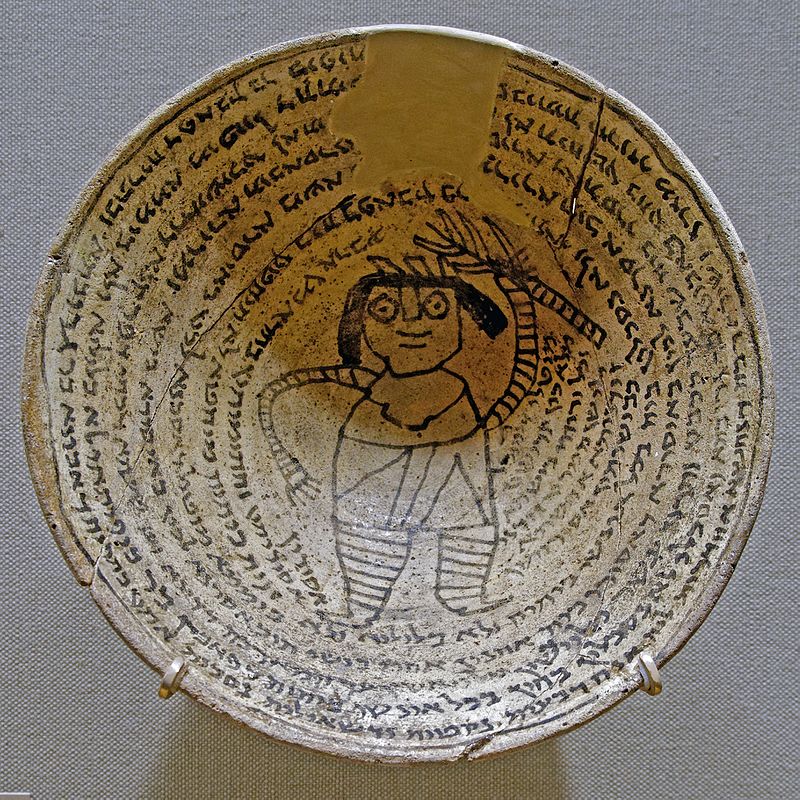
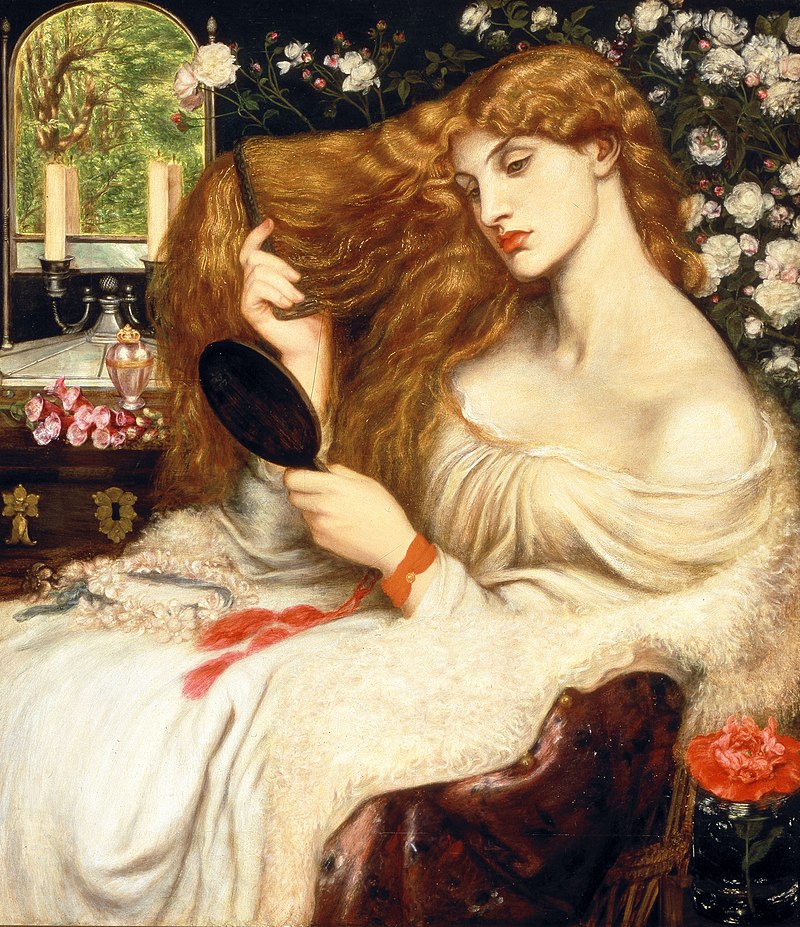
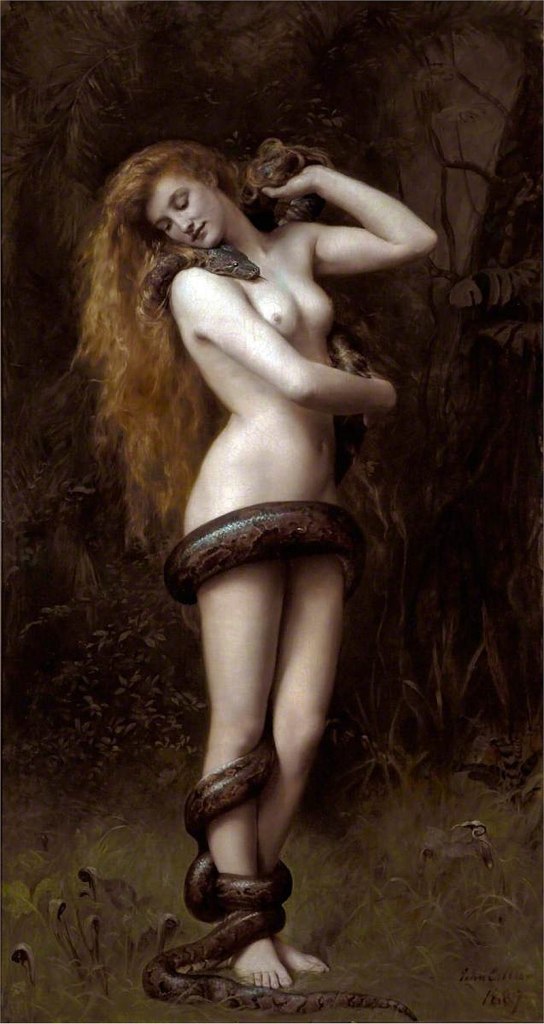
Lilith – Her journey from ancient Babylonian origins to a well known figure in Jewish mythology to Western pop culture. This original bad girl continues to fascinate.
– Fun Fact: For the medieval Jewish communities Lilith was a real and physical threat. Men were warned against sleeping alone, to prevent them from having “nocturnal emissions”. Similarly to a Christian belief in the succubus, she was said to steals men’s seed to have children by them.
Sources:
– Dan, Joseph. “Samael, Lilith, and the Concept of Evil in Early Kabbalah.” AJS Review 5 (1980): 17-40.
– Hoffeld, Jeffrey M. “Adam’s Two Wives.” The Metropolitan Museum of Art Bulletin 26, no. 10 (1968): 430-40.
– Patai, Raphael. “Lilith.” The Journal of American Folklore 77, no. 306 (1964): 295-314.
– Geduld, Harry M. “THE LINEAGE OF LILITH.” The Shaw Review 7, no. 2 (1964): 58-61.
– Braun, Sidney D. “LILITH: HER LITERARY PORTRAIT, SYMBOLISM, AND SIGNIFICANCE.” Nineteenth-Century French Studies 11, no. 1/2 (1982): 135-53.
– Michele Osherow. “The Dawn of a New Lilith: Revisionary Mythmaking in Women’s Science Fiction.” NWSA Journal 12, no. 1 (2000): 68-83.
– Jody Elizabeth Myers. “The Myth of Matriarchy in Recent Writings on Jewish Women’s Spirituality.” Jewish Social Studies, New Series, 4, no. 1 (1997): 1-27.
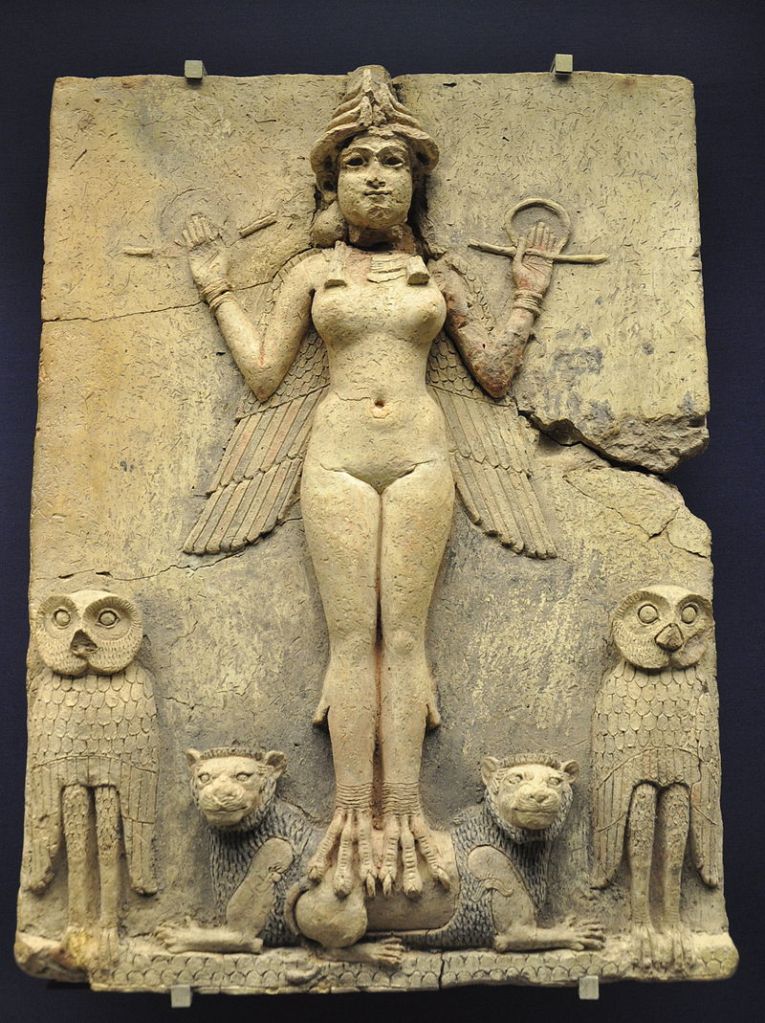
- Ancient Babylonian depiction of Lilith (Burney Relief, Babylon)
- Incantation bowl with an Aramaic inscription (Nippur, Mesopotamia, 6–7th century)
- Lady Lilith by Dante Gabriel Rossetti
- Lilith by John Collier

 Queens & Rebels