10: Josephine Baker

This episode is about:

Josephine Baker – Spy, civil rights activist, war hero, mother of 12, actress, singer, dancer, sex symbol, fashion icon.

Fun Fact: By the outbreak of WW2 she came to represent everything hated by the Hitler and his followers – a successful, openly bi-sexual black woman in an interracial marriage with a Jewish man. Like thousands of others, Baker fled the city once Nazi’s advanced on Paris. She rented a chateau in the South of France, where she sheltered other refugees. While publicly working for the red cross, entertaining troops in Africa and Middle East, and piloting supplies in her private plane she secretly worked as a spy for the French resistance.

Sources:

– Shadow Lives: Josephine Baker and the Body of Cinema Author(s): Katherine Groo Source: Framework: The Journal of Cinema and Media , Vol. 54, No. 1 (Spring 2013), pp. 7- 39 Published by: Drake Stutesman; Wayne State University Press
– Josephine Baker’s Colonial Pastiche Author(s): Matthew Pratt Guterl Source: Black Camera , Vol. 1, No. 2 (Summer 2010), pp. 25-37 Published by: Indiana University Press
– Francis, Terri. “EMBODIED FICTIONS, MELANCHOLY MIGRATIONS: JOSEPHINE BAKER’S CINEMATIC CELEBRITY.” Modern Fiction Studies 51, no. 4 (2005): 824-45.
– Dudziak, Mary L. “Josephine Baker, Racial Protest, and the Cold War.” The Journal of American History 81, no. 2 (1994): 543-70.
– https://www.nationalww2museum.org/war/articles/siren-resistance-artistry-and-espionage-josephine-baker
– https://www.womenshistory.org/education-resources/biographies/josephine-baker
– https://www.vanityfair.com/hollywood/2020/09/josephine-baker-biography-paris

  1. Josephine Baker, Harcourt Studio, 1940
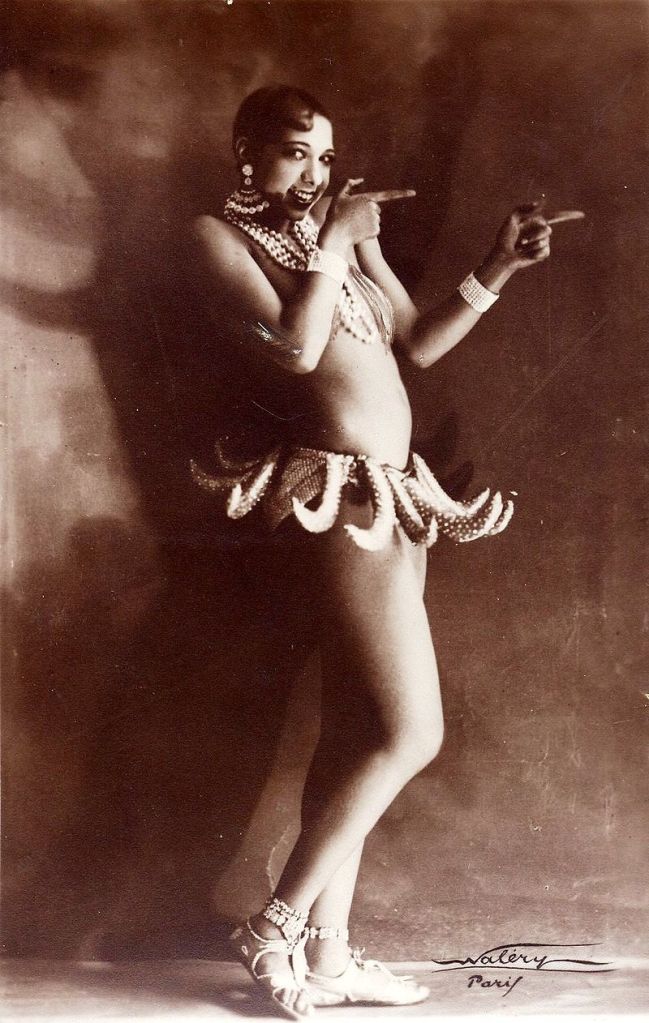
  2. Baker in banana costume, 1927
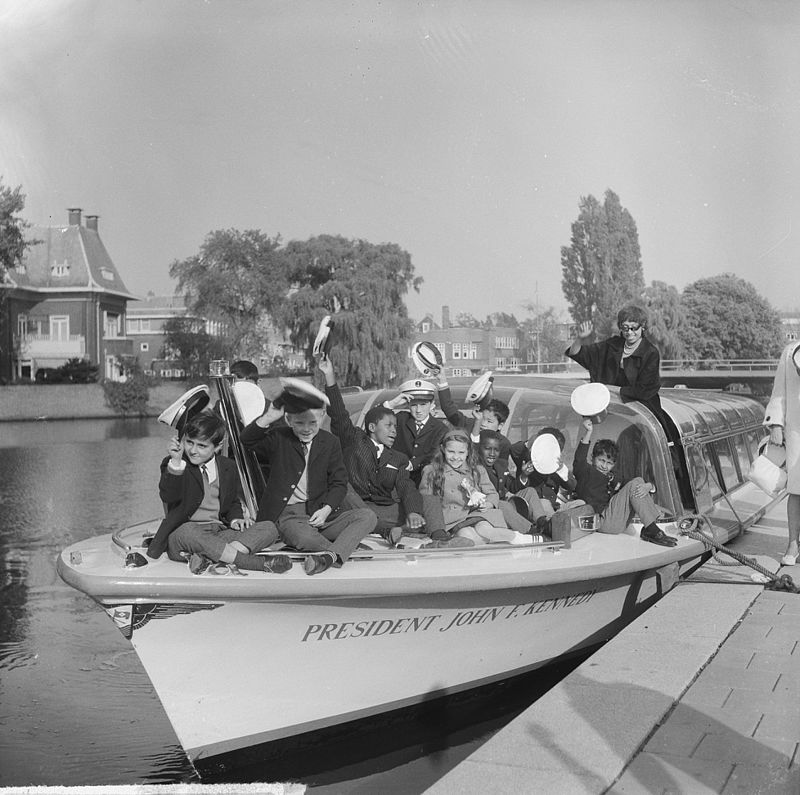
  3. Baker with ten of her adopted children, 1964
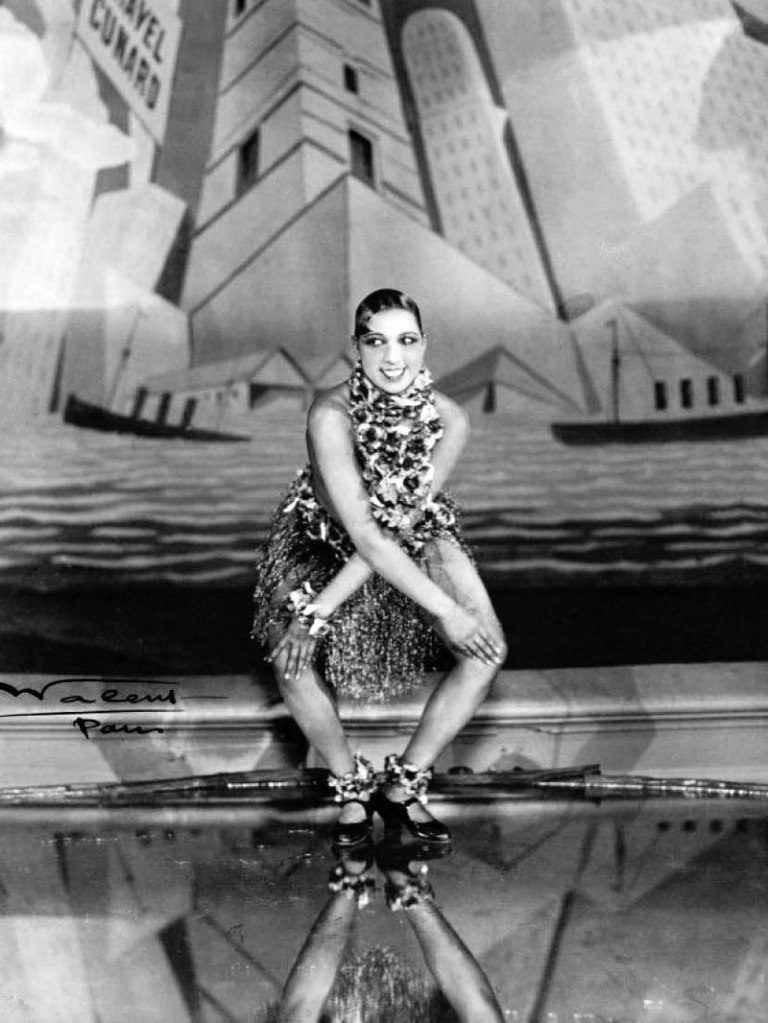
  4. Dancing the Charleston, 1926
  5. Château des Milandes
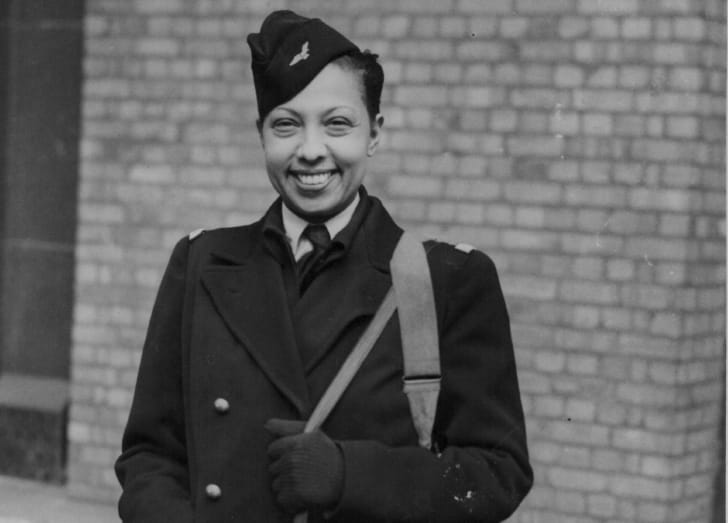
  6. Josephine in military uniform
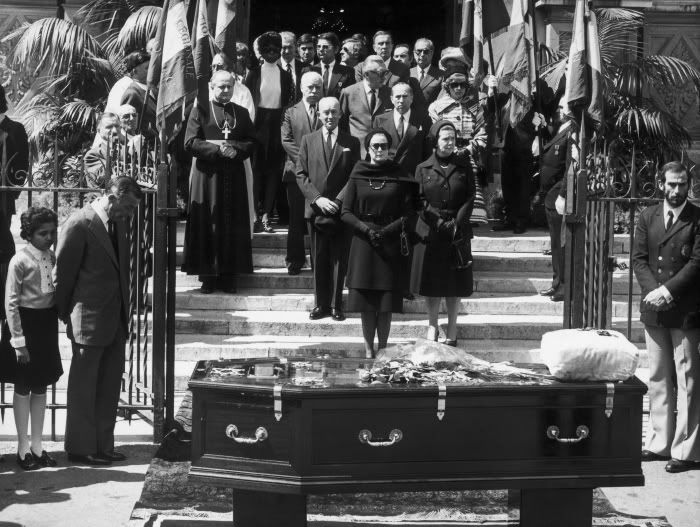
  7. Josephine Baker’s funeral
9: Sappho

This episode is about:

Sappho – her fame as a poet has survived for centuries. She was well known for her talent in the ancient world and remains a source of fascination for the modern reader.

Fun Fact: The manner of Sappho’s death is unknown, it is widely accepted that she lived into the old age. A recently discovered 2004 poem indicates she was able to reach old age and seems to support this hypostasis:
My skin was [delicate] before, but now old age
[claims it]; my hair turned from black [to white].
My spirit has grown heavy; knees bucklethat once could dance light as fawns.

Sources:

– Kivilo, Maarit. “SAPPHO.” In Early Greek Poets’ Lives: The Shaping of the Tradition, 167-200. LEIDEN; BOSTON: Brill, 2010.
– Klinck, Anne L. “Sappho’s Company of Friends.” Hermes 136, no. 1 (2008): 15-29.
– MOST, GLENN W. “REFLECTING SAPPHO.” Bulletin of the Institute of Classical Studies 40 (1995): 15-38.
– https://www.newyorker.com/magazine/2015/03/16/girl-interrupted
– https://www.ancient.eu/Sappho_of_Lesbos/

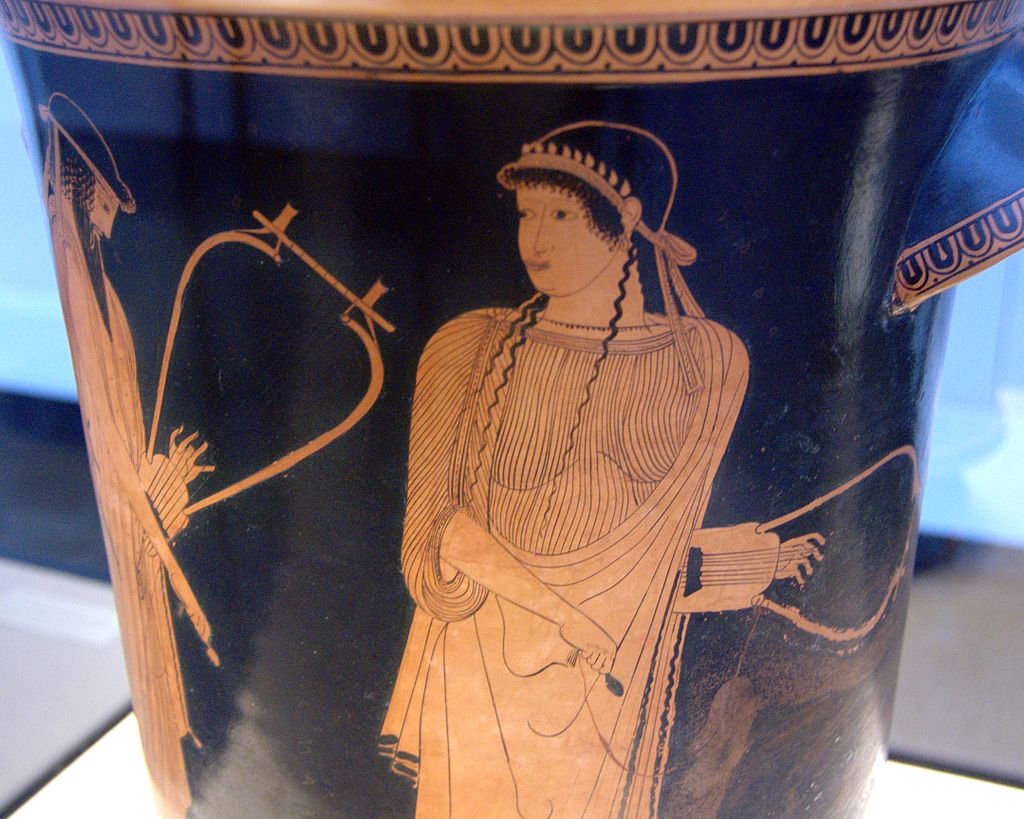
  1. Sappho holding a lyre, 470 BCE
  2. Roman sculpture of Sappho based on a Greek model
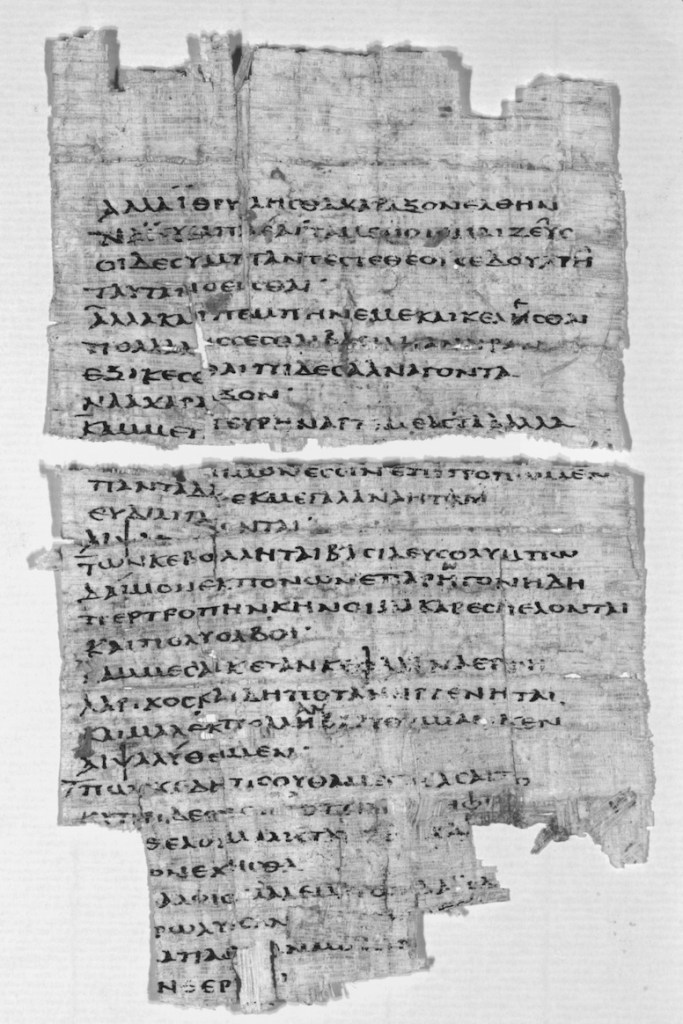
  3. Fragment of Sappho’s Brothers Poem
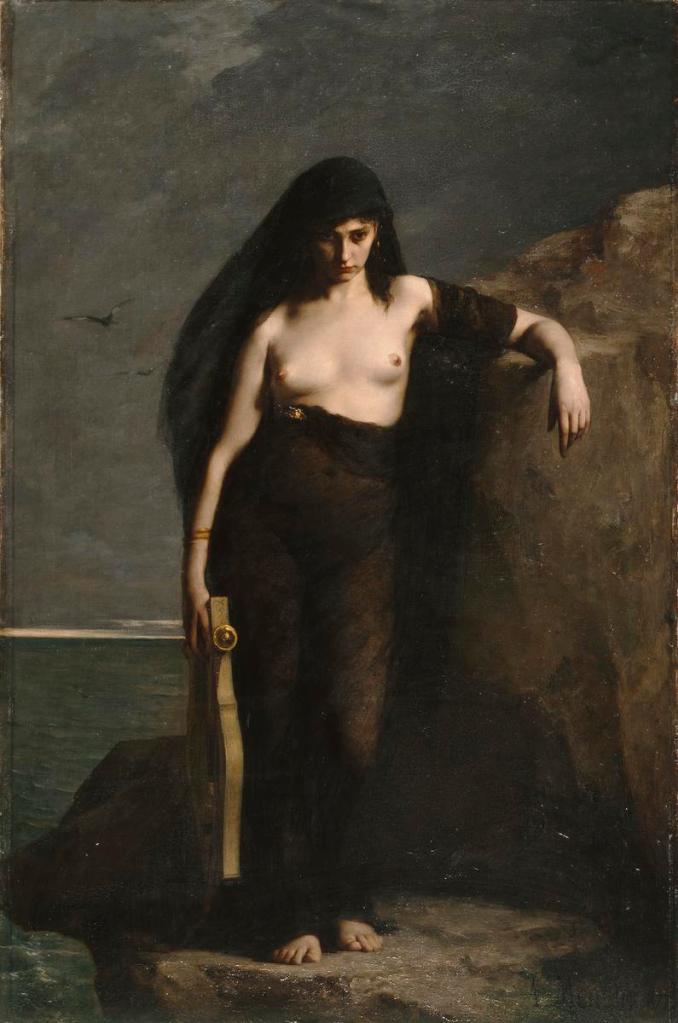
  4. Sappho by Charles Mengin, 1877
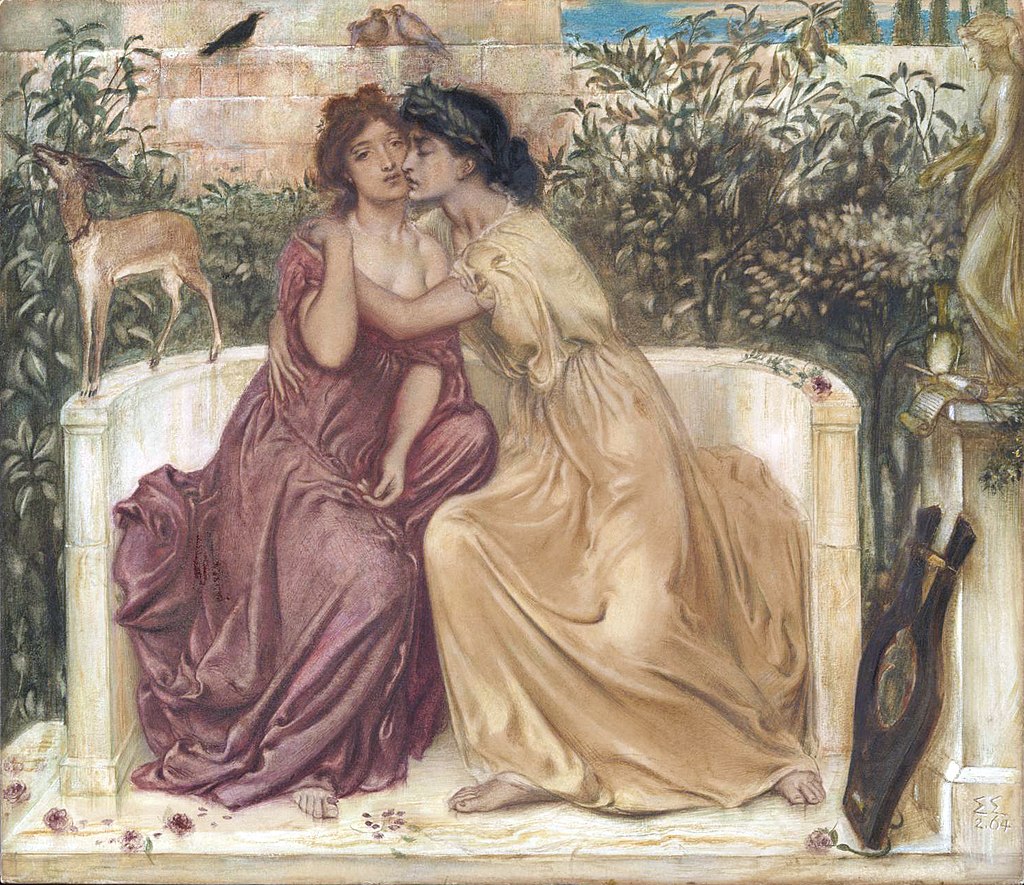
  5. Sappho and Erinna in a Garden at Mytilene by Simeon Solomon, 1864

8: Mae West

This episode is about:

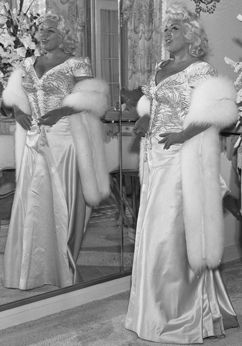
Mae West – a glamorous legend of classical American cinema that shamelessly celebrated female sexuality and is known for her campy and witty humor.
Fun Fact: Mae was underwhelmed with her first role in “Night After Night” but that didn’t deter her. Mae demanded that she re-write her own part and came up with a memorable entrance to the big screen:
– As she walks into frame for the first time, an attendant exclaims, “Goodness, what beautiful diamonds!” – “Goodness had nothing to do with it, dearie,” she replies.

Sources:

– Curry, Ramona. “Mae West as Censored Commodity: The Case of “Klondike Annie”.” Cinema Journal 31, no. 1 (1991): 57-84.
– Hamilton, Marybeth. “Mae West Live: “SEX, The Drag, and 1920s Broadway”.” TDR (1988-) 36, no. 4 (1992): 82-100.
– Black, Gregory D. “Hollywood Censored: The Production Code Administration and the Hollywood Film Industry, 1930-1940.” Film History 3, no. 3 (1989): 167-89.
– https://www.vanityfair.com/hollywood/2020/06/mae-west-autobiography-scandal
– https://www.americanheritage.com/immortality-mae-west#4

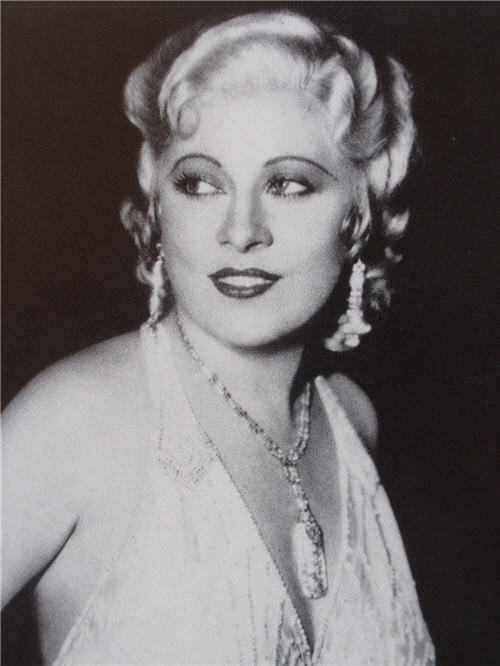
  1. Mae West, photo taken by L.A. Times, 1932
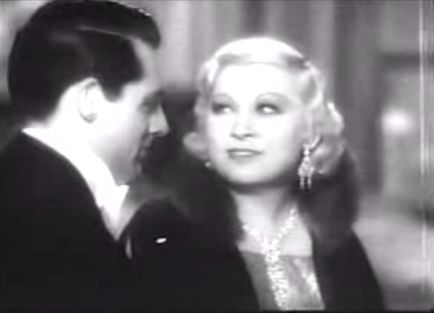
  2. Mae West and Cary Grant in I’m No Angel, 1933
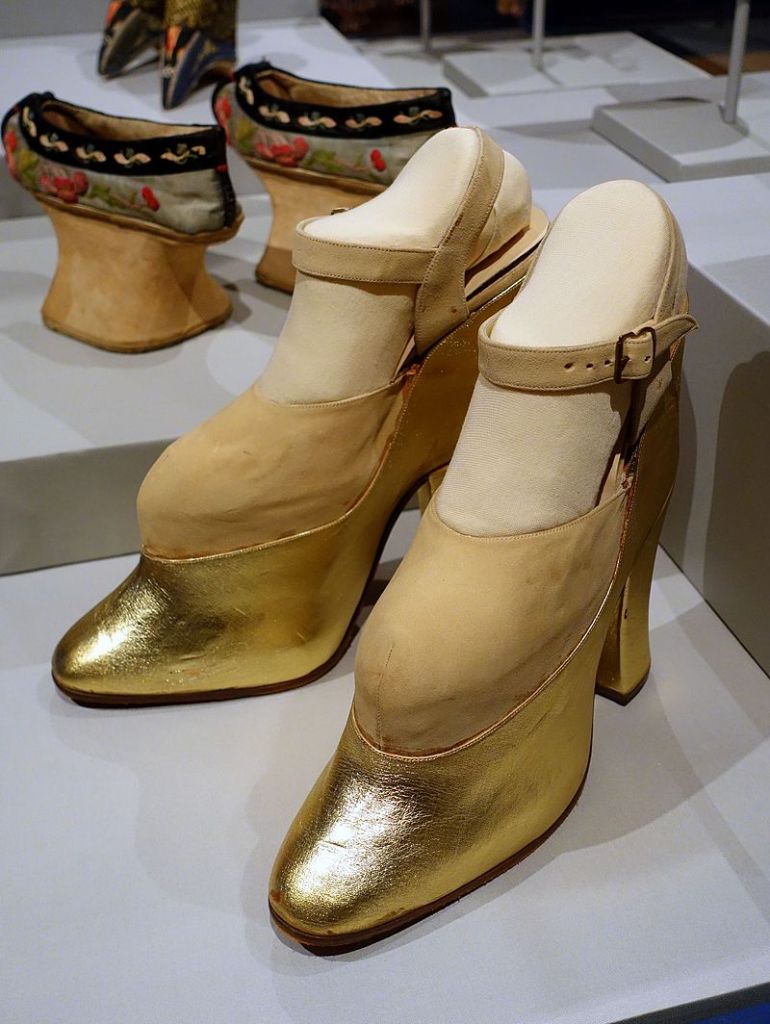
  3. Shoes worn by West in films to make her look taller
  4. Mae West, 1953
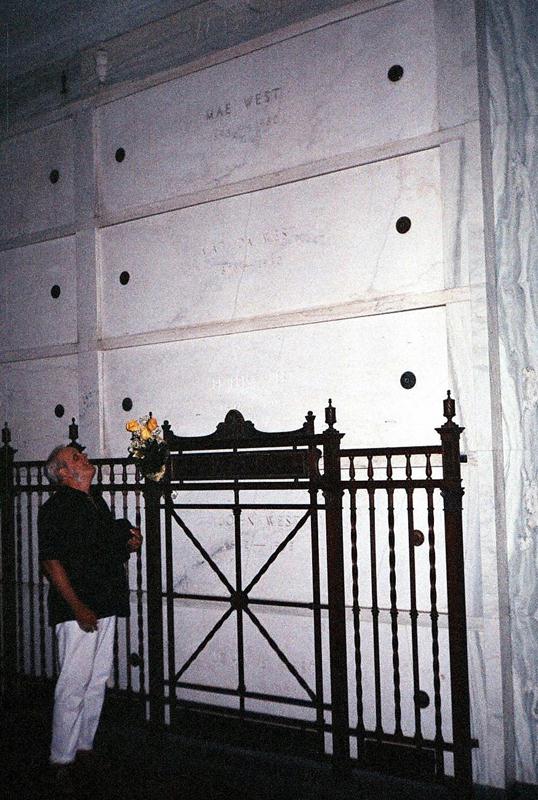
  5. West family crypt, Cypress Hills Cemetery

7: The Legend of Eve

This episode is about:

Eve – the prototype of a sinful temptress that influenced how people would view women for centuries. Vilifying Eve became a tradition despite there is no evidence of her actually seducing Adam in the original text, the claim of female spiritual inferiority was reconstructed between the lines by men projecting their biased attituded towards women.

Fun Fact: Tertullian was the first to produce extensive works on Christianity and according to him Eve persuaded Adam to eat the apple, creating the first image of her as the temptress. Not only did he present Eve as a seductress, responsible for Adams fall, but he has connected all females to Eve thus saying they all possess a similar seductive nature and pose a danger to men.

Sources:

– Afsar, Ayaz. “Speech Acts in the Story of Adam and Eve in the Bible and the Qur’ān.” Islamic Studies 54, no. 3/4 (2015): 185-202.
– 3 Genesis, 11:12
– 1 Tim 2:11b:14
– Leonard, Eugenie Andruss. “ST. PAUL ON THE STATUS OF WOMEN.” The Catholic Biblical Quarterly 12, no. 3 (1950): 311-20.
– Higgins, Jean M. “The Myth of Eve: The Temptress.” Journal of the American Academy of Religion 44, no. 4 (1976): 639-47.
– Arbel, Vita Daphna. “Guarding His Body, Mourning His Death, and Pleading for Him in Heaven: On Adam’s Death and Eve’s Virtues in the Greek Life of Adam and Eve.” In Coming Back to Life: The Permeability of Past and Present, Mortality and Immortality, Death and Life in the Ancient Mediterranean, edited by Tappenden Frederick S. and Daniel-Hughes Carly, by Rice Bradley N., 103-26. Montreal: McGill University Library, 2017.
– Parker, Julie Faith. “Blaming Eve Alone: Translation, Omission, and Implications of עמה in Genesis 3:6b.” Journal of Biblical Literature 132, no. 4 (2013): 729-47.
– Petersen, Boyd Jay. “”Redeemed from the Curse Placed upon Her”: Dialogic Discourse on Eve in the Woman’s Exponent.” Journal of Mormon History 40, no. 1 (2014): 135-74.
– Boršić, Luka, and Ivana Skuhala Karasman. “Isotta Nogarola—The Beginning of Gender Equality in Europe.” The Monist 98, no. 1 (2015): 43-52.
– https://journals.msvu.ca/index.php/atlantis/article/view/4888/4086
– http://www.tertullian.org/anf/anf04/anf04-06.htm#TopOfPage

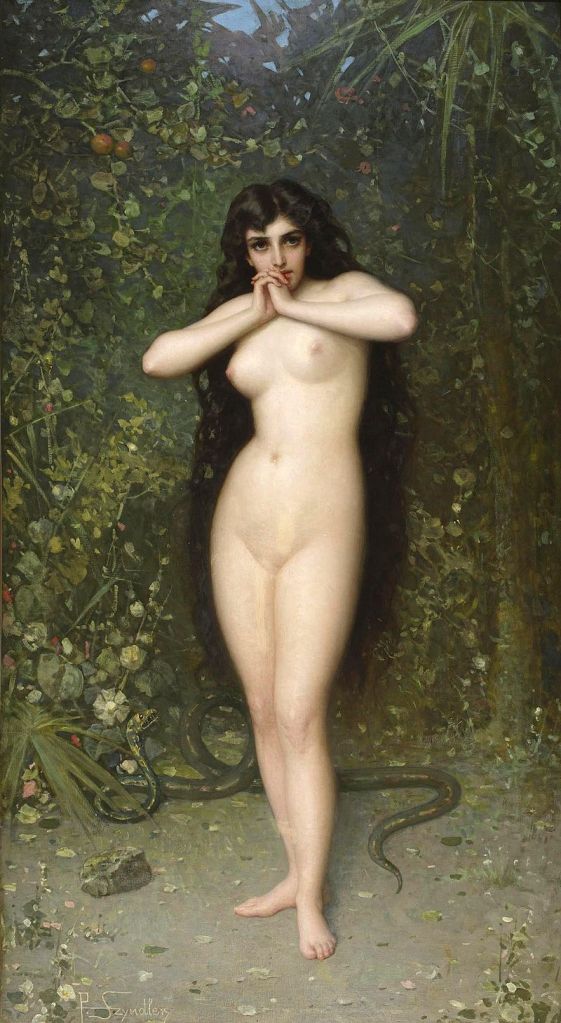
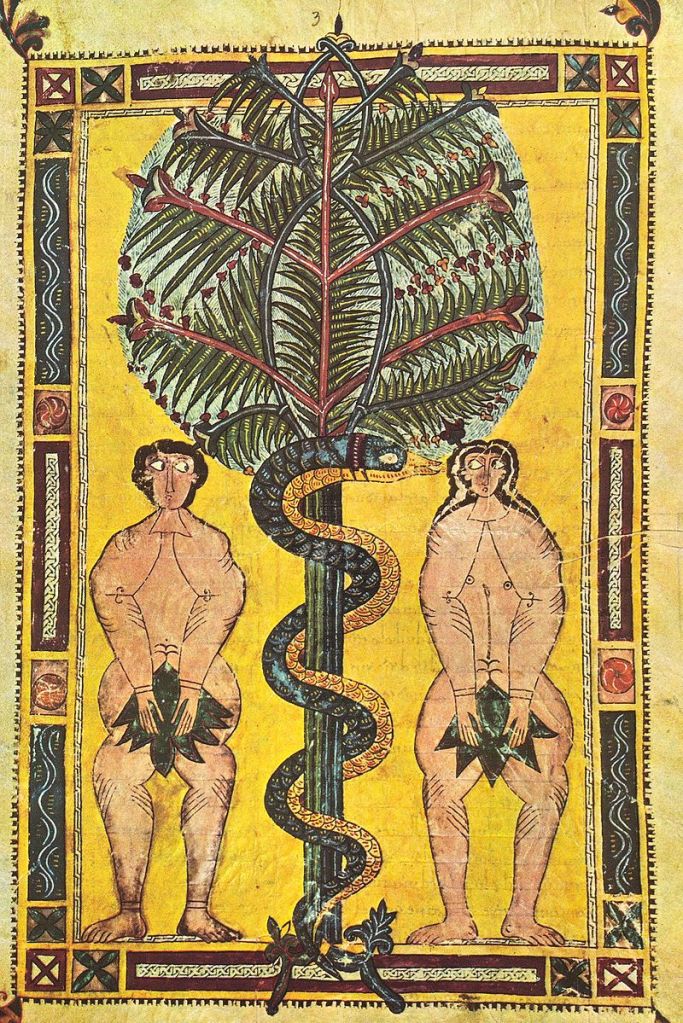
  1. Eve by Pantaleon Szyndler, 1889
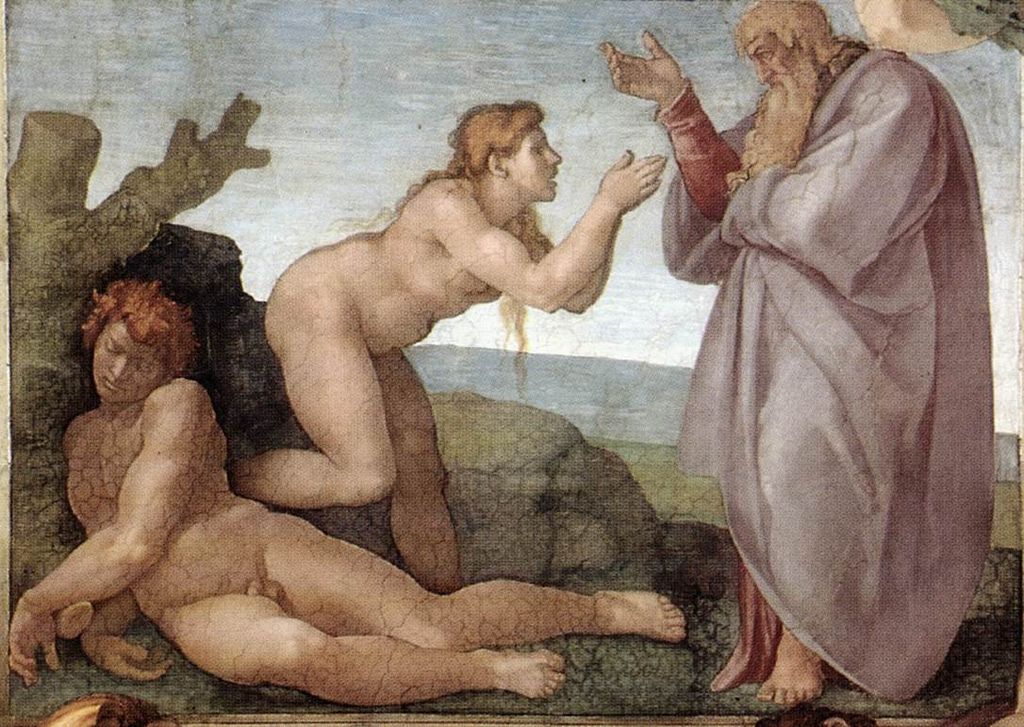
  2. The Creation of Eve, by Michelangelo, Sistine Chapel
  3. Adam and Eve, 950
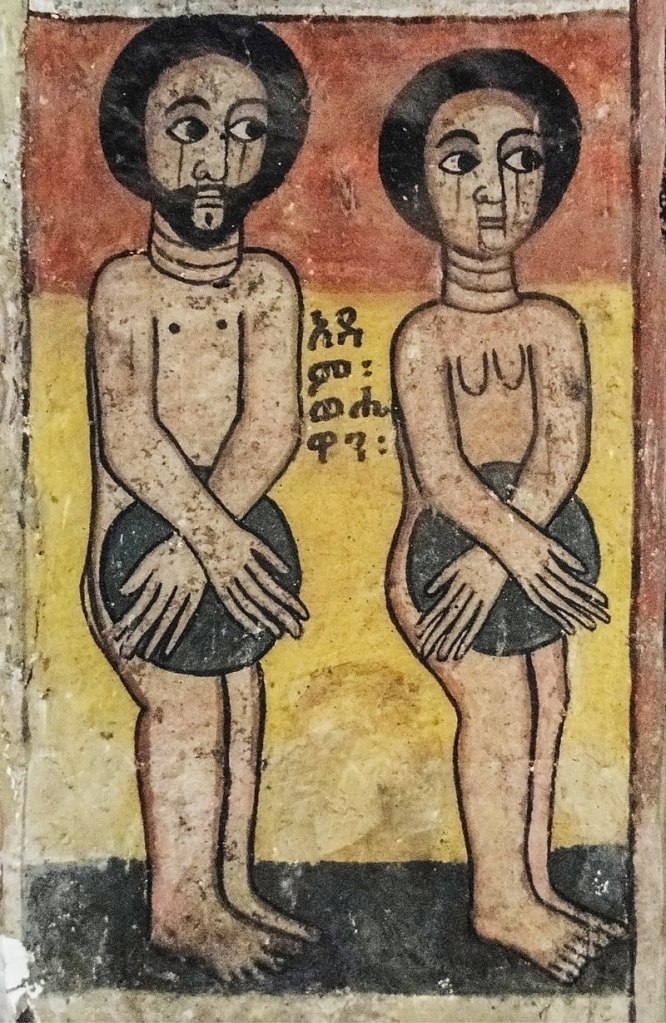
  4. Adam and Eve depicted, Abreha wa Atsbeha Church, Ethiopia
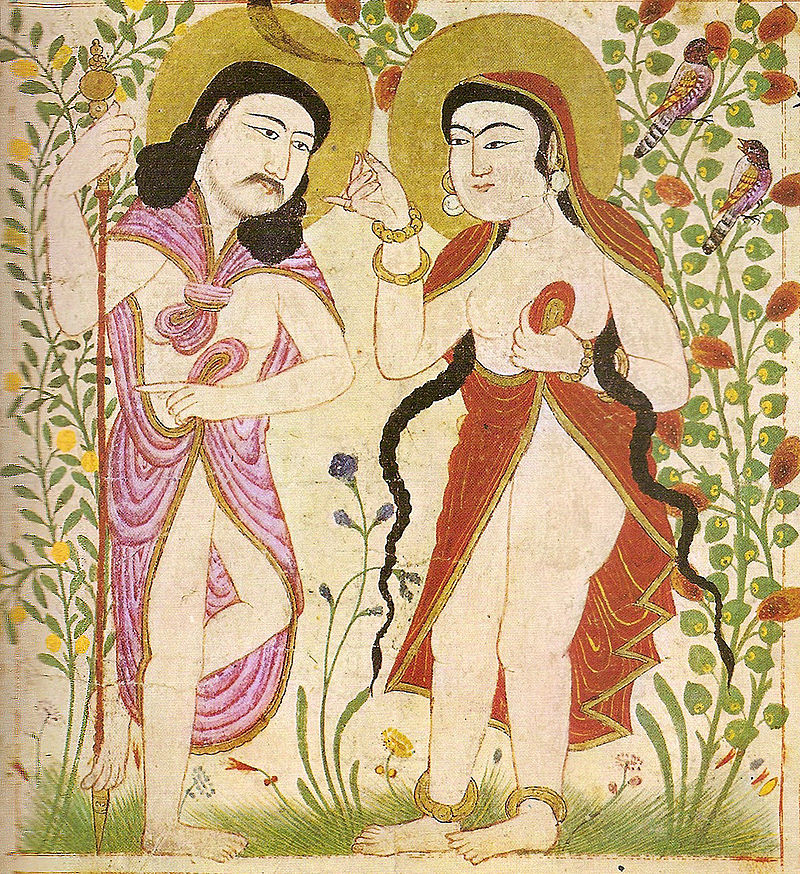
  5. Adam and Eve, Iran, 1294
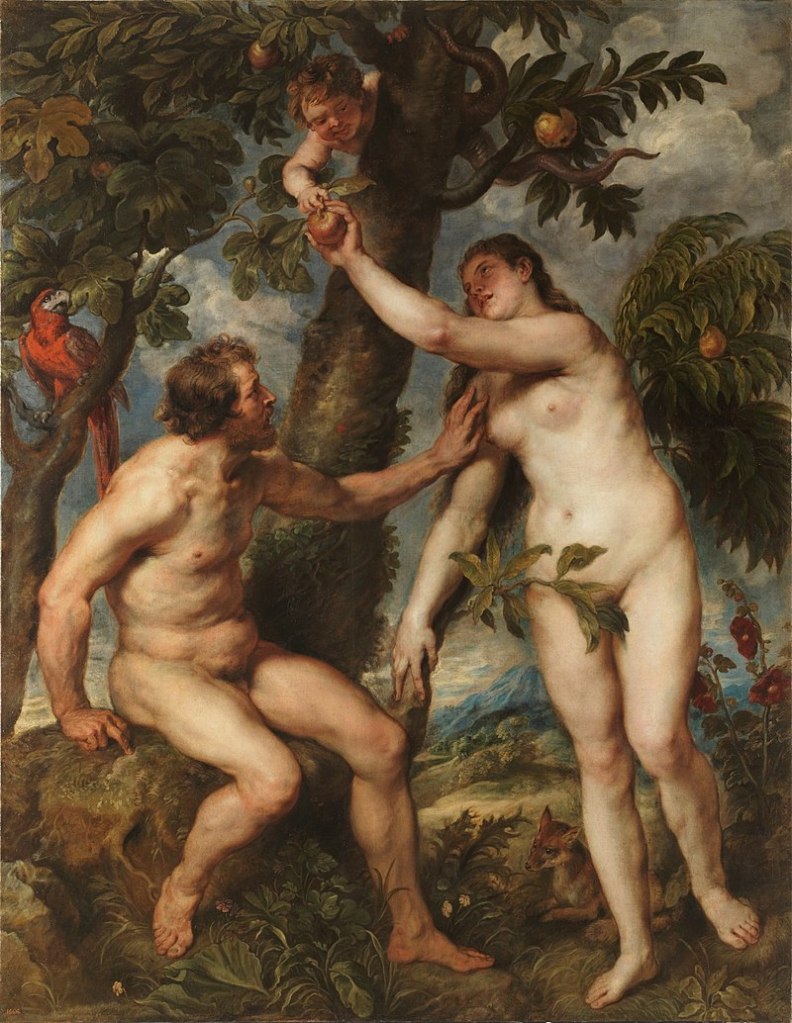
  6. The Fall of Man by Peter Paul Rubens, 1628

6: Emma Goldman

This episode is about:

Emma Goldman – the mother of anarchy. She was a pioneering advocate for women’s rights, sexual freedom, legalization of birth control, immigrant and worker’s rights and freedom of speech.

Fun Fact: Goldman believed that that both public and private life needed to change for a successful revolution thus started advocating for female sexual liberation. This put her at odds with her feminist contemporaries, her ideas were too radical for the feminist movement and Emma did not associate with the suffragettes.

Sources:

– Jewish Women’s Archive. “Emma Goldman – A Dedicated Anarchist – Jacob Kershner.”
– Falk, Candace. “Emma Goldman.” Jewish Women: A Comprehensive Historical Encyclopedia. 27 February 2009. Jewish Women’s Archive.
– Jewish Women’s Archive. “Emma Goldman’s “What I Believe”.
– Waldstreicher, David. “Radicalism, Religion, Jewishness: The Case of Emma Goldman.” American Jewish History 80, no. 1 (1990): 74-92.
– Gurstein, Rochelle. “Emma Goldman and the Tragedy of Modern Love.” Salmagundi, no. 135/136 (2002): 67-89.
– Hemmings, Clare. “Sexual Freedom and the Promise of Revolution: Emma Goldman’s Passion.” Feminist Review, no. 106 (2014): 43-59.
– Hemmings, Clare. “In the Mood for Revolution: Emma Goldman’s Passion.” New Literary History 43, no. 3 (2012): 527-45.
– Kern, Robert W. “Anarchist Principles and Spanish Reality: Emma Goldman as a Participant in the Civil War 1936-39.” Journal of Contemporary History 11, no. 2/3 (1976): 237-59.
– Frankel, Oz. “Whatever Happened to “Red Emma”? Emma Goldman, from Alien Rebel to American Icon.” The Journal of American History 83, no. 3 (1996): 903-42.

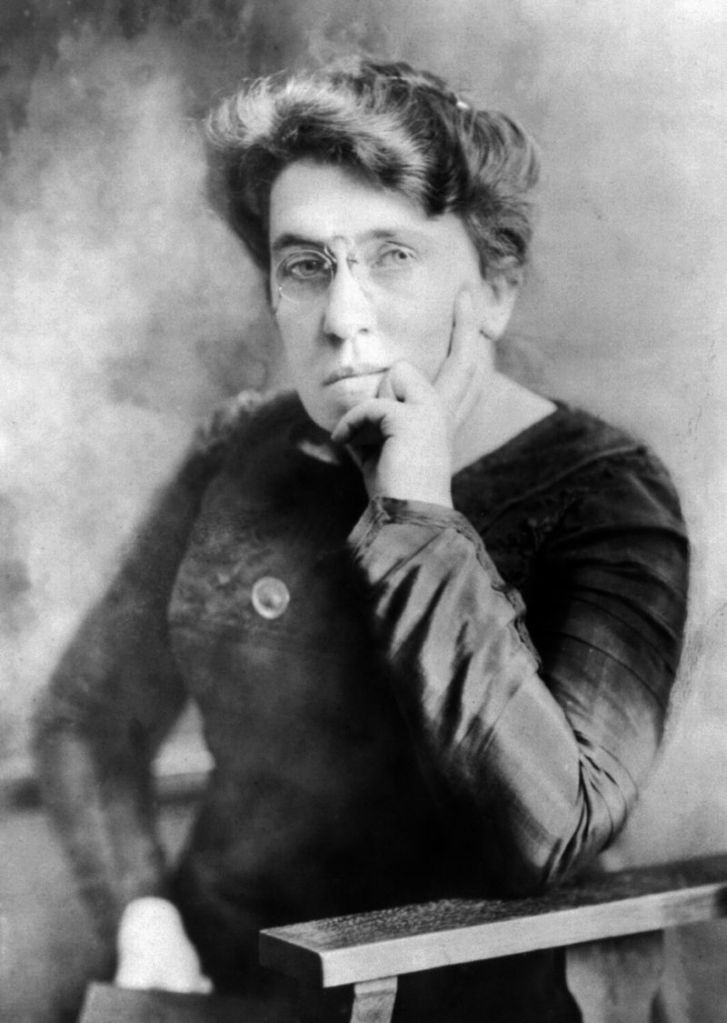
  1. Emma Goldman, 1911
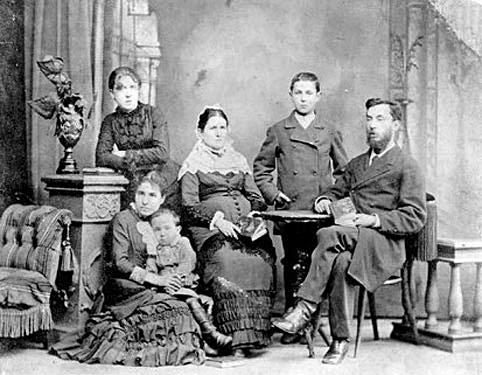
  2. Goldman’s family, 1882. From left to right: Emma, standing; Helena, seated with Morris; Taube; Herman; Abraham.
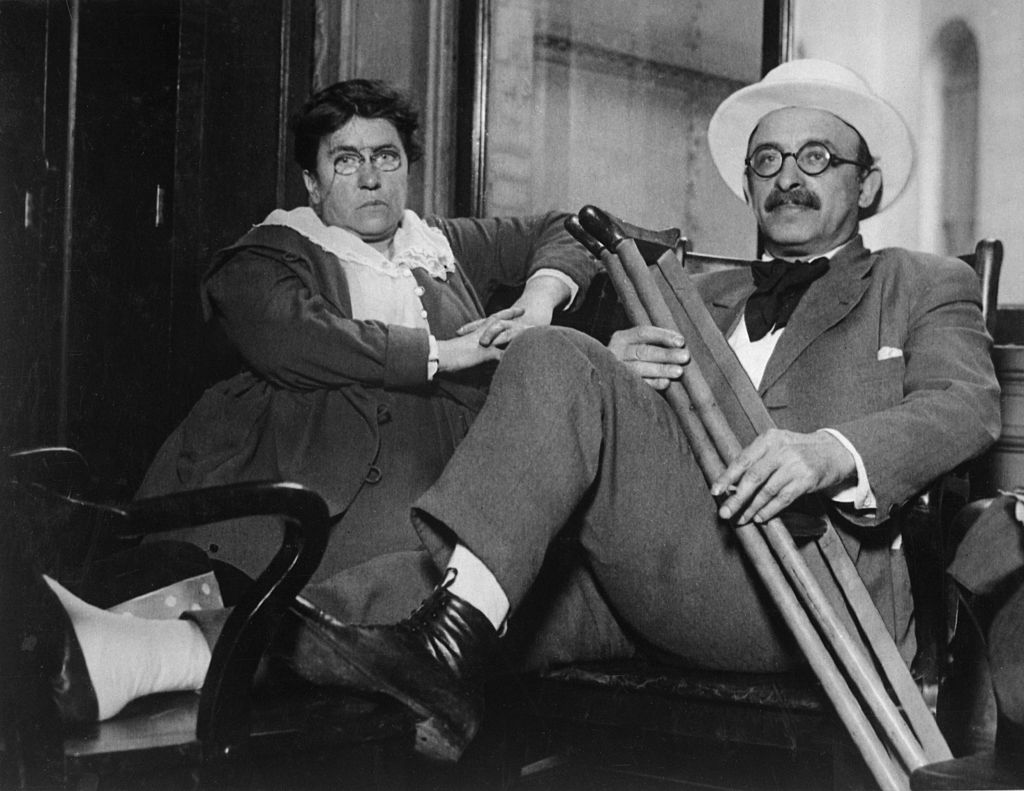
  3. Goldman with friend/lover Alexander Berkman, 1917–1919
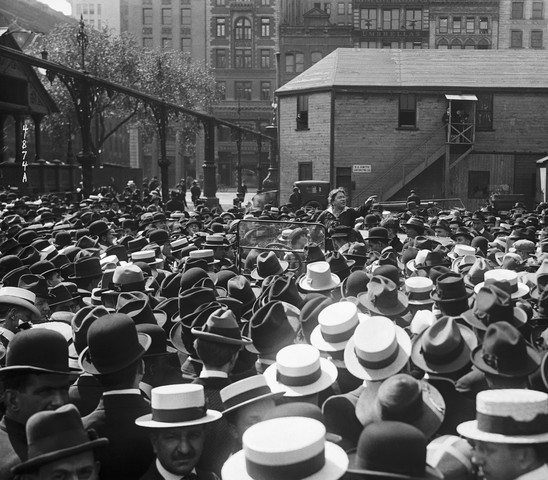
  4. Goldman, Union Square, 1916. Giving a speech to unemployed workers.
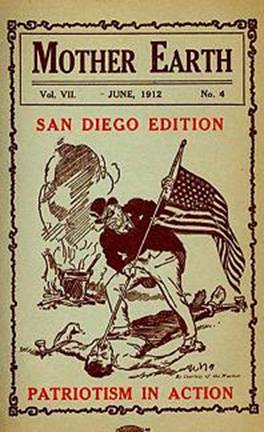
  5. Goldman’s Mother Earth magazine
  6. Deportation photo, 1919
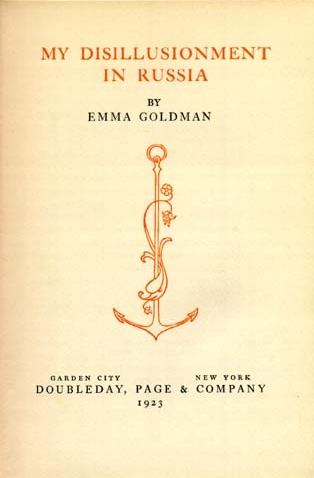
  7. Goldman’s boo on her experiences in Soviet Russia, 1923
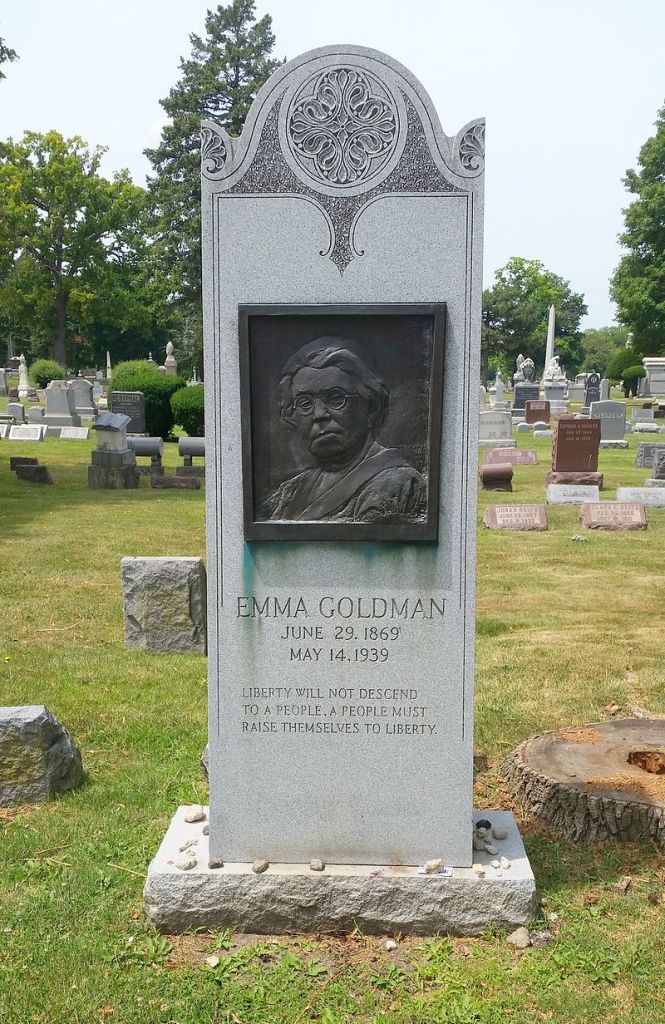
  8. Goldman’s grave, Illinois’ Forest Home Cemetery. The dates on the stone are incorrect.

5: The Legend of Lilith

This episode is about:

Lilith – Her journey from ancient Babylonian origins to a well known figure in Jewish mythology to Western pop culture. This original bad girl continues to fascinate.
– Fun Fact: For the medieval Jewish communities Lilith was a real and physical threat. Men were warned against sleeping alone, to prevent them from having “nocturnal emissions”. Similarly to a Christian belief in the succubus, she was said to steals men’s seed to have children by them.

Sources:

– Dan, Joseph. “Samael, Lilith, and the Concept of Evil in Early Kabbalah.” AJS Review 5 (1980): 17-40.
– Hoffeld, Jeffrey M. “Adam’s Two Wives.” The Metropolitan Museum of Art Bulletin 26, no. 10 (1968): 430-40.
– Patai, Raphael. “Lilith.” The Journal of American Folklore 77, no. 306 (1964): 295-314.
– Geduld, Harry M. “THE LINEAGE OF LILITH.” The Shaw Review 7, no. 2 (1964): 58-61.
– Braun, Sidney D. “LILITH: HER LITERARY PORTRAIT, SYMBOLISM, AND SIGNIFICANCE.” Nineteenth-Century French Studies 11, no. 1/2 (1982): 135-53.
– Michele Osherow. “The Dawn of a New Lilith: Revisionary Mythmaking in Women’s Science Fiction.” NWSA Journal 12, no. 1 (2000): 68-83.
– Jody Elizabeth Myers. “The Myth of Matriarchy in Recent Writings on Jewish Women’s Spirituality.” Jewish Social Studies, New Series, 4, no. 1 (1997): 1-27.

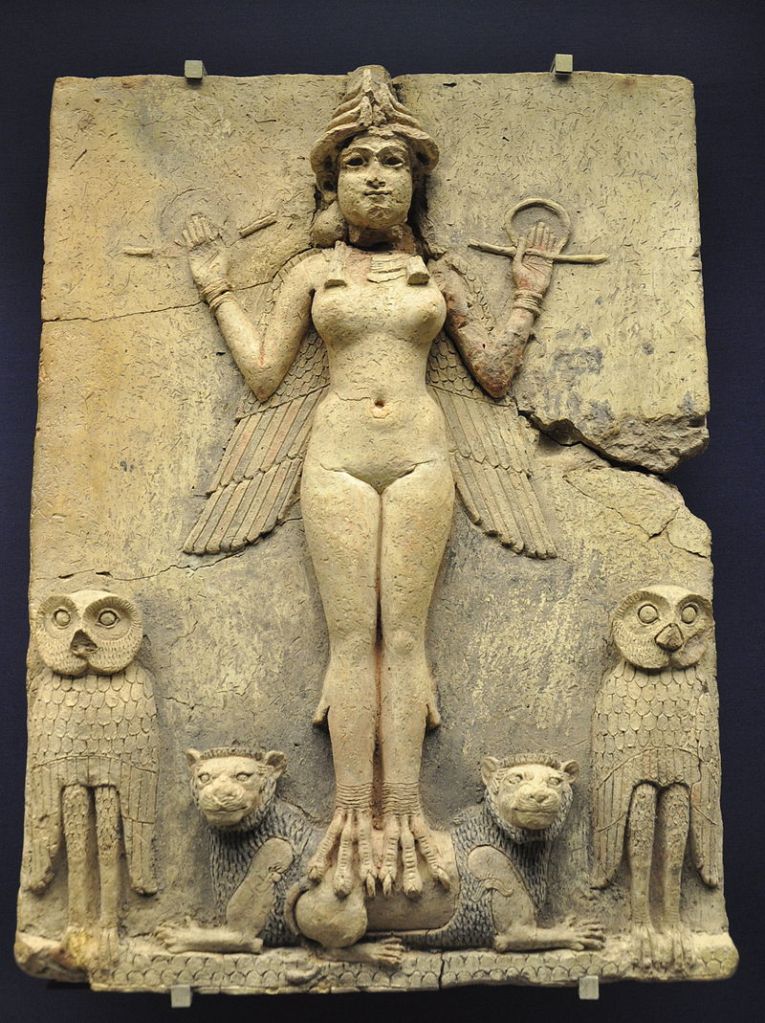
  1. Ancient Babylonian depiction of Lilith (Burney Relief, Babylon)
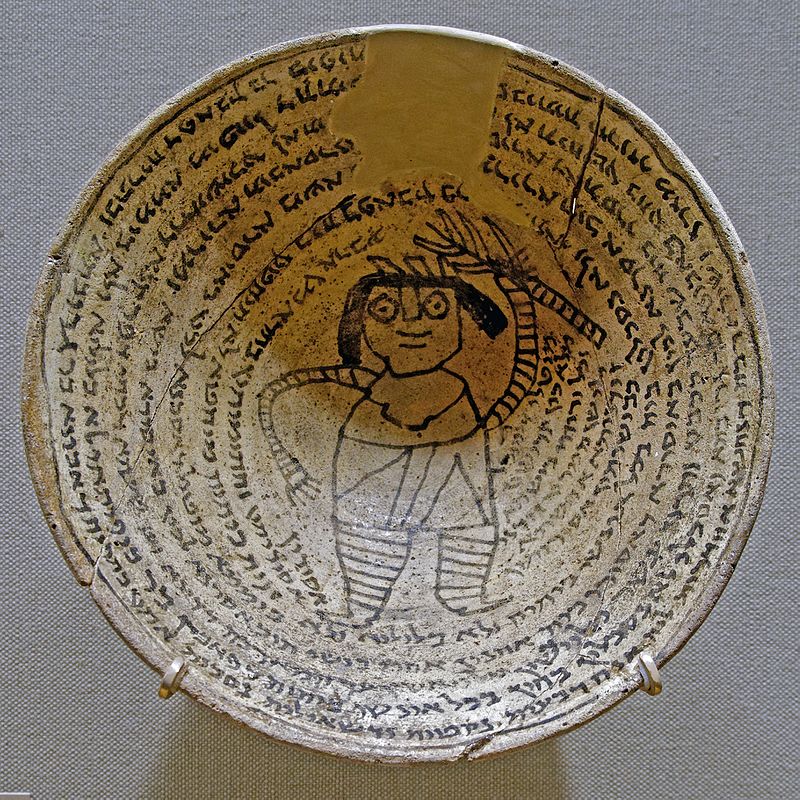
  2. Incantation bowl with an Aramaic inscription (Nippur, Mesopotamia, 6–7th century)
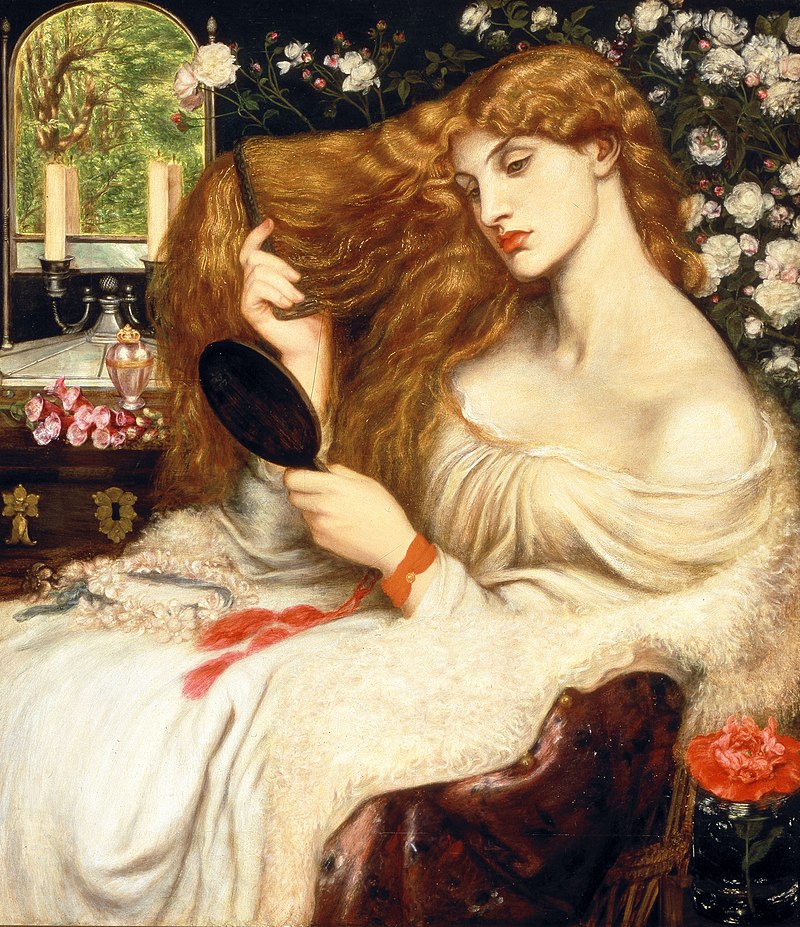
  3. Lady Lilith by Dante Gabriel Rossetti
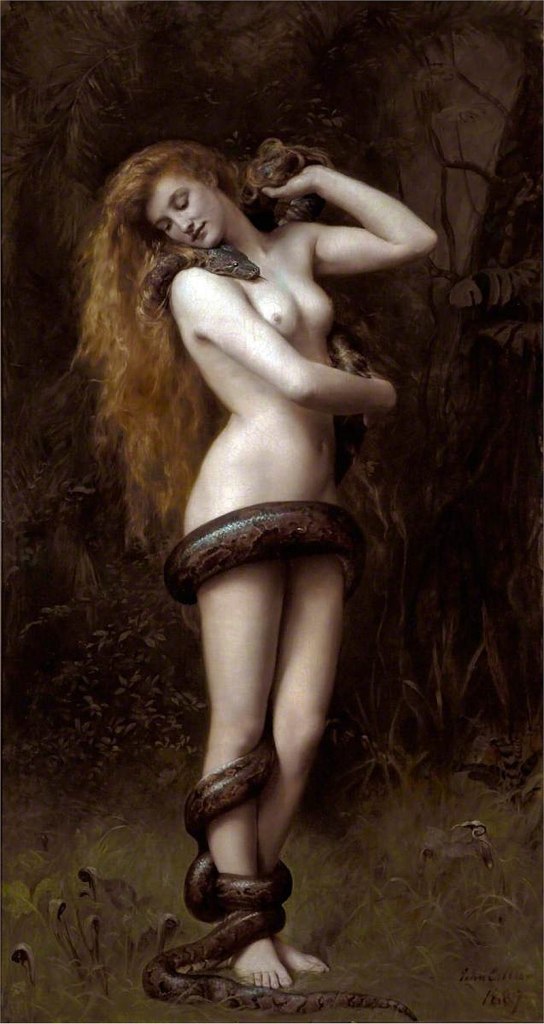
  4. Lilith by John Collier

4: Viola Desmond

This episode is about:

Viola Irene Desmond – a Canadian civil rights activist and business pioneer.
Fun Fact: Viola is the first Canadian-born woman to be featured on national currency, a newly designed $10 bill.

Sources:
– Reynolds, Graham, and Wanda Robson. Viola Desmond: Her Life and Times. Roseway Publishing, an Imprint of Fernwood Publishing, 2018.

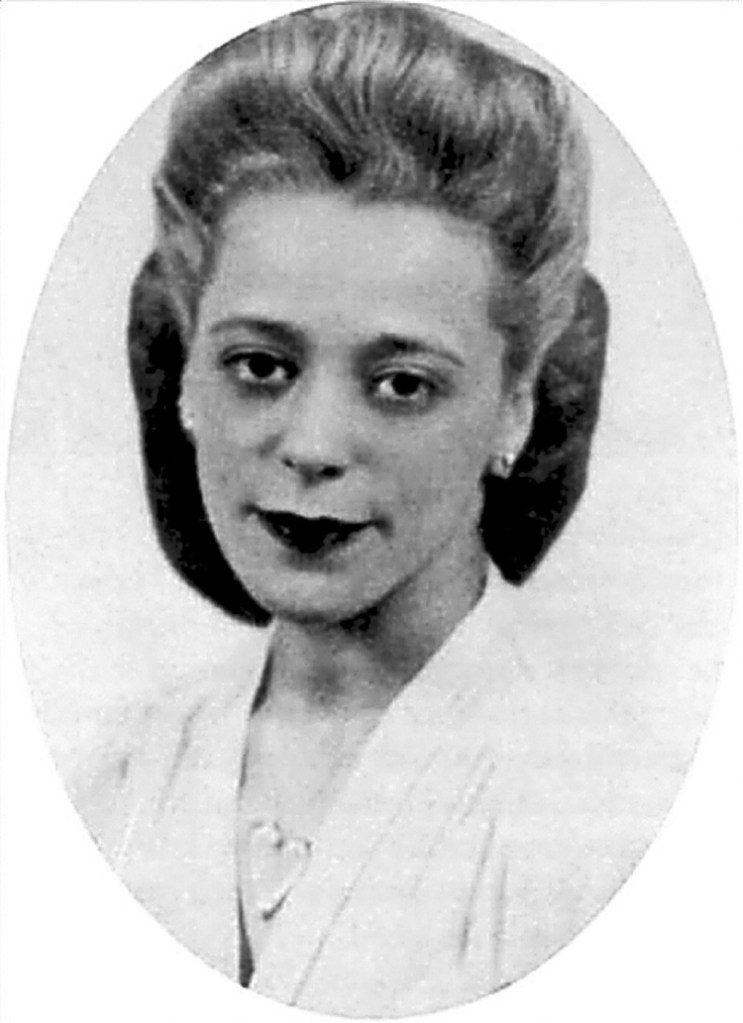
  1. Viola Desmond, Halifax, Nova Scotia by unknown photographer
  2. Sepia face powder sold by Viola Desmond
  3. Viola Desmond (Wanda and Joe Robson Collection, Beaton Institute, Cape Breton University)
  4. Viola Desmond (Wanda and Joe Robson Collection, Beaton Institute, Cape Breton University)
  5. Viola’s gravesite (Camp Hill Cemetery, Halifax)
  6. $10 dollar bank note featuring Viola Desmond’s image

3: Queens of Egypt – Part 3

This one is about:

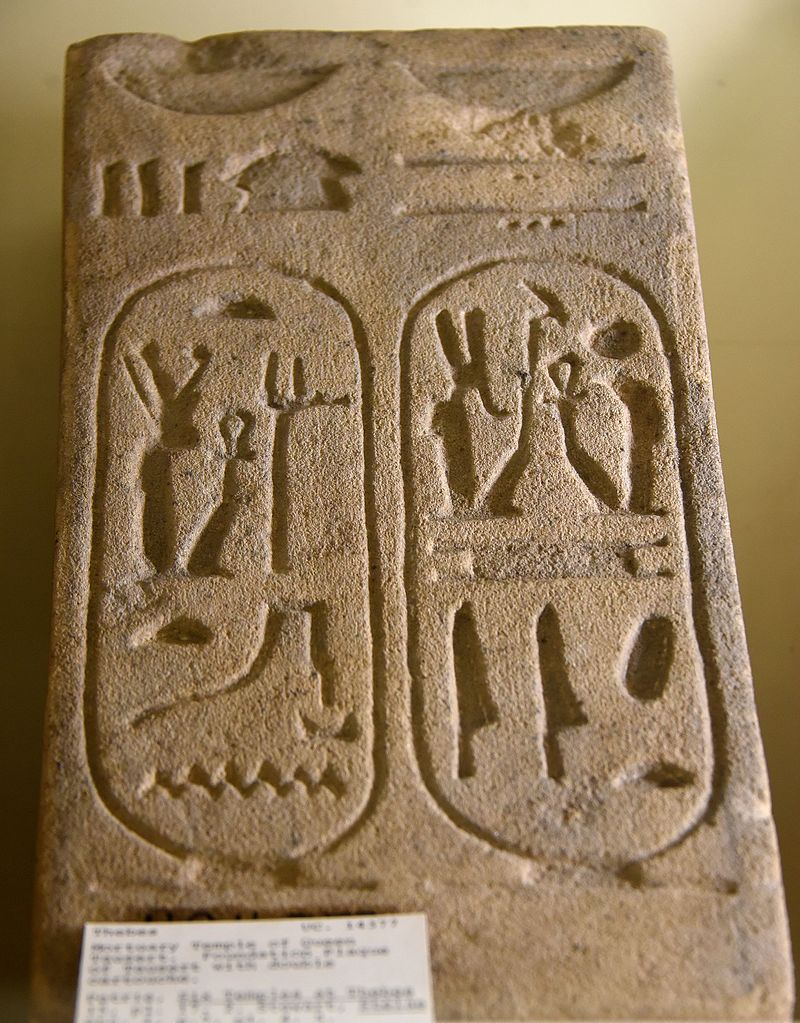
 Tawosret – her independent rule was short lived and ended in a civil war, but she was not a passive pawn in the hands of scheming nobles as previously portraited.
Fun Fact: Tawosret did not bear any children which she could pass on the rule to and was most likely violently removed from power.

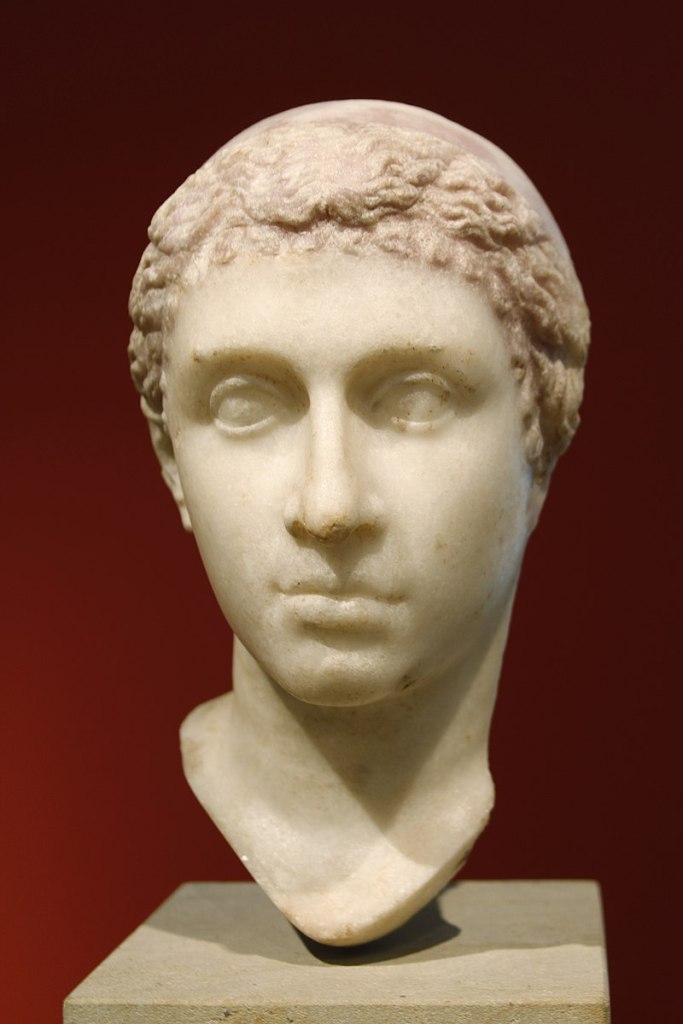
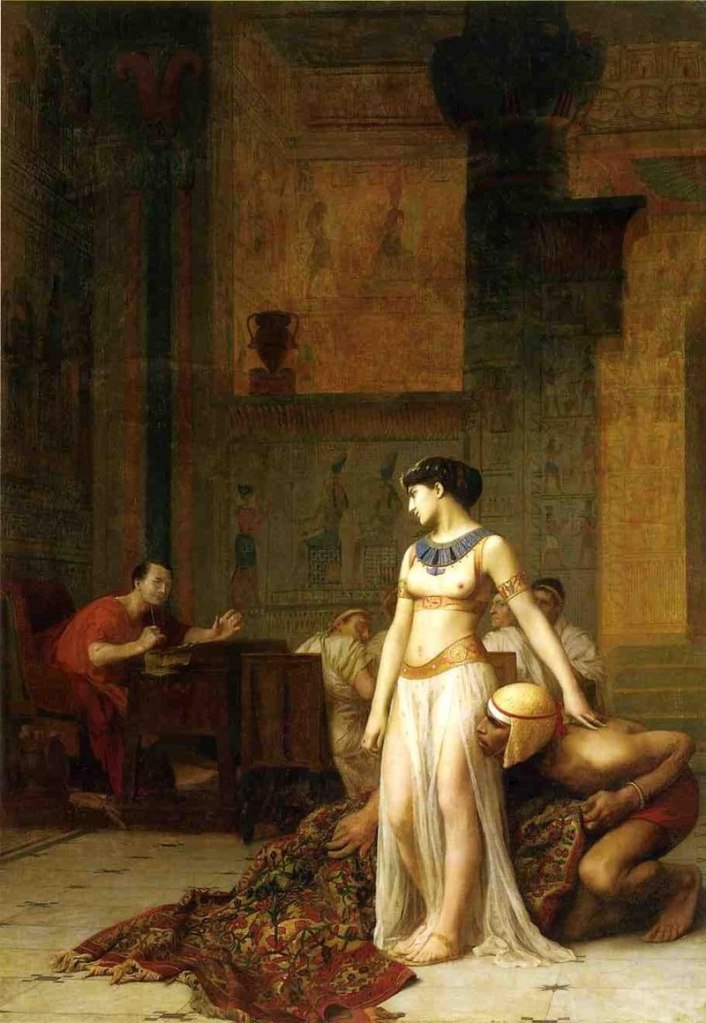
Cleopatra – She did not arrive to Cesar rolled up in the carpet, was not a great seducer of men, and did not die from a snake bite.  
Fun Fact: Cleopatra was aware Mark Anthony was after her cash. At their meeting the lavish spectacle of her arrival was not a sign of depraved excess, she broadcasted her wealth to get Mark Anthony to cooperate with her politically.

Sources:
– Cooney, K., 2018. When Women Ruled The World: Six Queens Of Egypt. National Geographic Books.

Images:

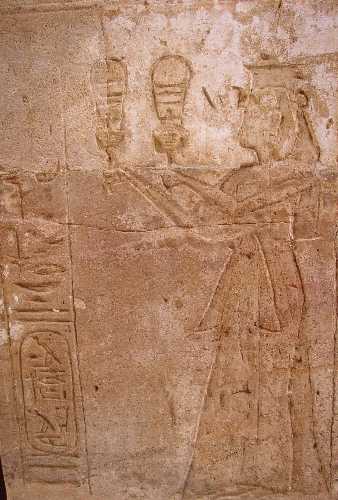
  1. Twosret playing the sistrum (Amada Temple, Nubia)
  2. Foundation plaque bearing the double cartouches of Queen Twosret (The Petrie Museum of Egyptian Archaeology, London)
  3. Bust of Cleopatra VII (Altes Museum – Berlin)
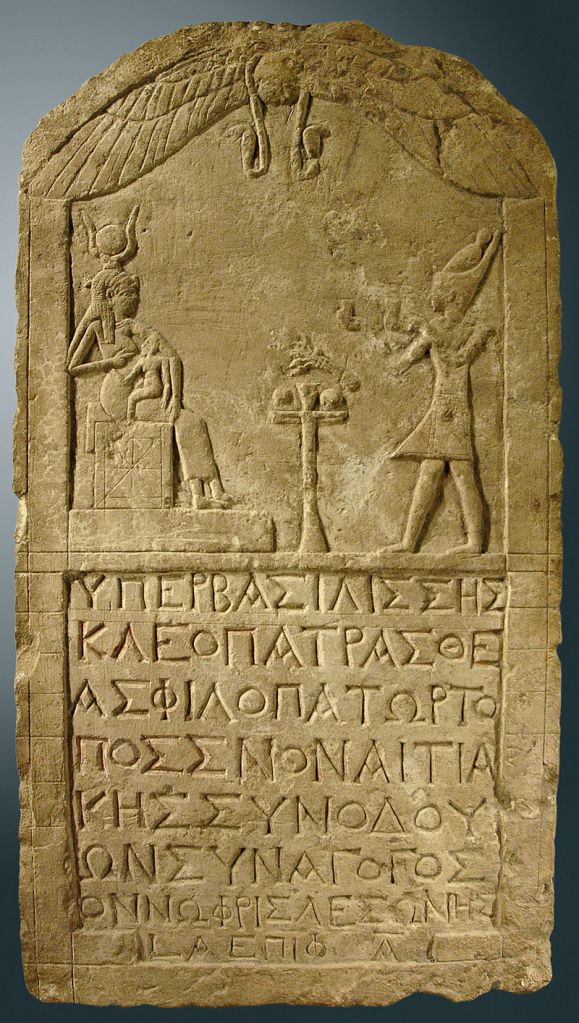
  4. Cleopatra dressed as a pharaoh and presenting offerings to the goddess Isis (Louvre, Paris)
  5. Cleopatra and Caesar (1866), Jean-Léon Gérôme
  6. The Meeting of Antony and Cleopatra (1885), by Lawrence Alma-Tadema

2: Queens of Egypt – Part 2

This episode is about:

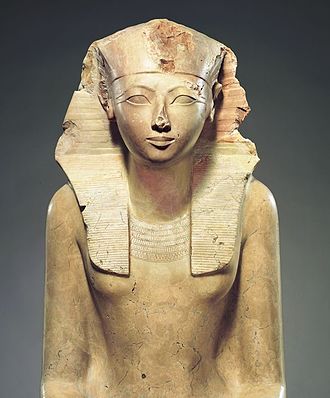
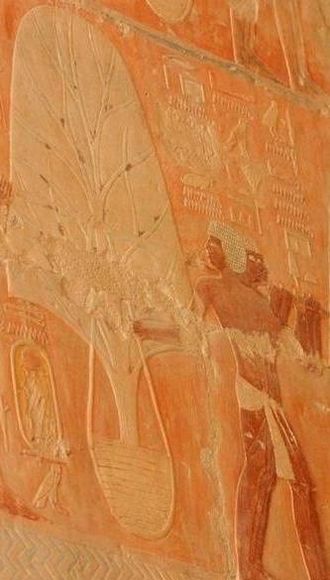
Hatshepsut – a Pharaoh who dealt with her spoiled stepson by outshining him.   The second historically confirmed female Pharaoh.
Fun Fact: Hatshepsut first gained power as Queen Regent.  In an unprecedented move, at a public religious festival, the Oracle of Amun would proclaim Hatshepsut as official co-ruler with Thutmose the 1st. 

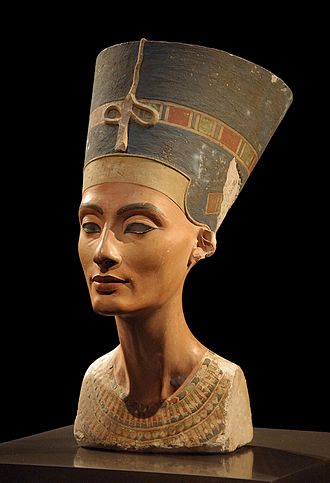
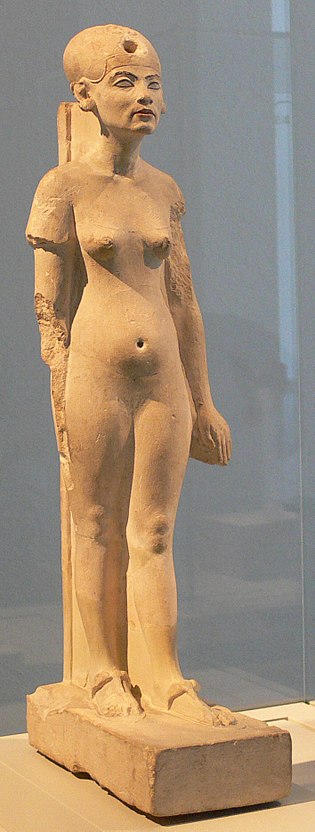
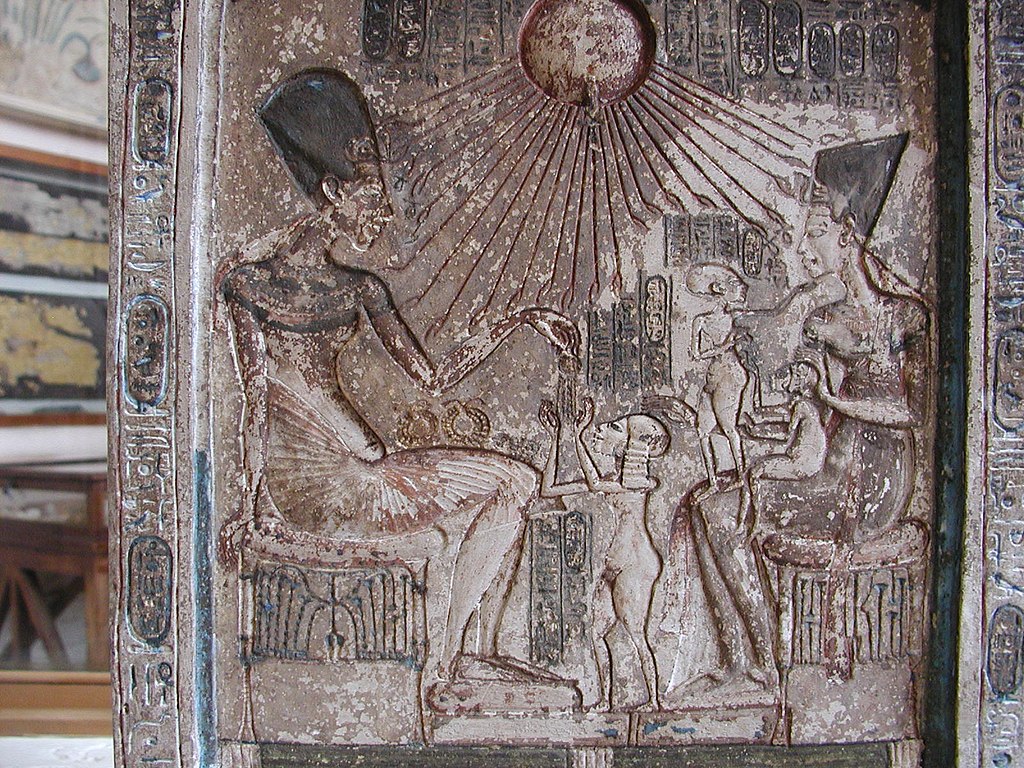
Nefertiti – not just a pretty face, but also a smart heretic. There is much debate on whether or not she ruled as Pharaoh, you will have to listen and make up your own mind.
Fun Fact: Despite being a famous face of Egyptian royalty, discovering Nefertiti through the ages is a difficult job. Nefertiti and her husband were removed from most king’s lists as heretics and her tomb hasn’t been found yet.

Sources:
– Cooney, K., 2018. When Women Ruled The World: Six Queens Of Egypt. National Geographic Books.

Images:

  1. Statue of Hatshepsut (Metropolitan Museum of Art)
  2. Relief depicting international trade from Hatshepsut’s mortuary temple 
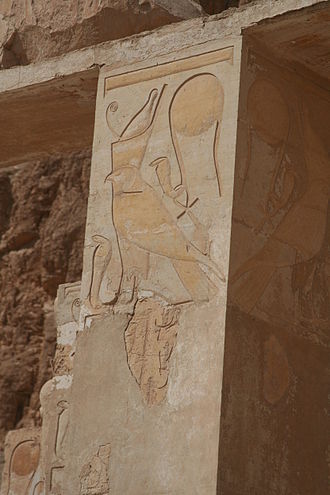
  3. The Hawk of the Pharaoh, Hatshepsut (Temple at Luxor)
  4. Bust of Nefertiti (Berlin Museum)
  5. A standing/striding figure of Nefertiti (Berlin Museum)
  6. Akhenaten, Nefertiti and their daughters before Aten (Egyptian Museum, Cairo)

1: Queens of Egypt – Part 1

This episode is about:

Merneith – first recorded queen-regent of Ancient Egypt.  
Fun Fact: Only after discovering the Palermo stone where she was listed as the King’s mother did historians realized she was a female.

Neferusobek – first confirmed queen of Egypt that ruled as a pharaoh.
Fun Fact: She became a king’s wife upon marrying her full or half brother Amenemhat the 4th, who died 9 years later without leaving a male heir. She has tried to cut her husband out of the picture by successfully promoting propaganda that her father has always intended for her to rule alongside and after him.

Sources:
– Cooney, K., 2018. When Women Ruled The World: Six Queens Of Egypt. National Geographic Books.

Images:

  1. Tomb stela of Merneith from Umm el-Qa’ab
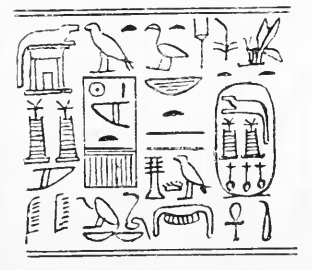
  2. Flinders P.’s drawing of the seal of Neferusobek (British Museum)
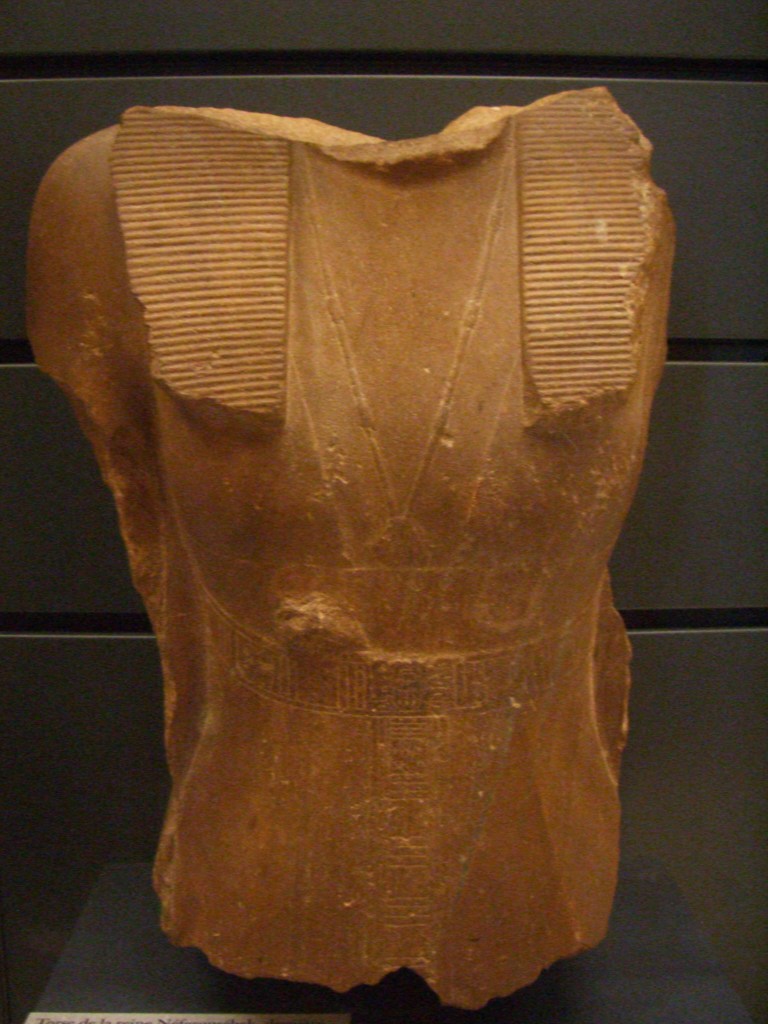
  3. Bust of Neferusobek (Louvre)
  4. Statue of Neferusobek(Berlin Museum)